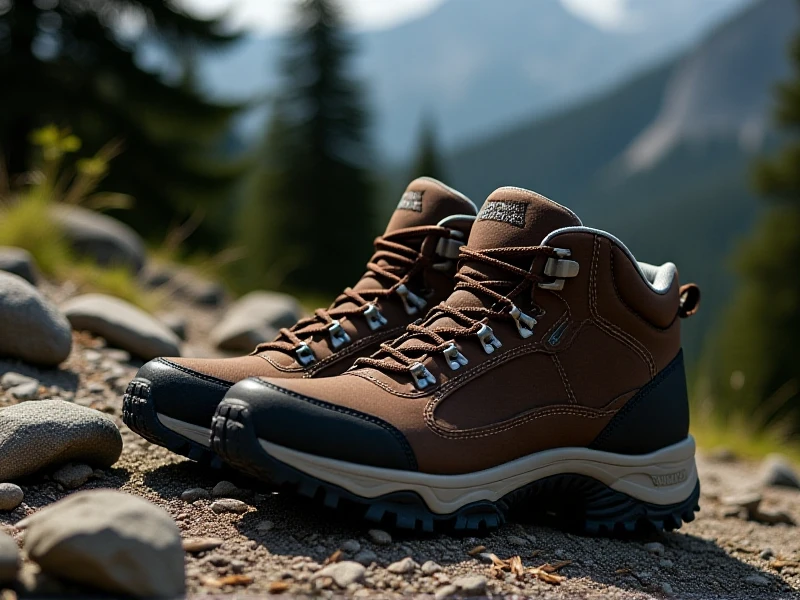
Your Ultimate Guide to Choosing the Right Hiking Shoes
Hitting the trails starts with your feet. Whether you're trekking through rainforests or scrambling over rocky peaks, quality hiking shoes are non-negotiable for comfort and safety. But with countless options, how do you pick your perfect pair? This guide breaks down key features so you can conquer any terrain confidently.
Fit First: Your Foundation for Adventure Never compromise on fit. After a full day’s hike, poorly fitting shoes can cause blisters or even injuries. Visit specialists late afternoon when feet are naturally swollen to get the right size. Remember: your hiking shoes should be roomier than sneakers—about half a thumb’s width between your longest toe and the shoe end. Prioritize models with adjustable lacing systems to customize heel lock and midfoot support as terrains change.
Terrain Dictates Your Traction Game Match your outsole to your adventures. Deeper lugs (6mm ) are ideal for muddy trails or snow, while shallow patterns work best on dry rocks. Brands like Vibram® offer specialized rubber compounds—sticky for granite scrambles, durable for desert hikes. Want all-round versatility? Opt for moderate lug depth (3-5mm) with multi-directional patterns.
Material Magic: Breathability vs Protection Lightweight mesh hiking shoes dry quickly and prevent swampy feet—perfect for well-maintained trails in warm climates. But if you're navigating abrasive roots or scree, leather/goretex options provide waterproofing and ankle protection. New synthetic materials offer a sweet spot: abrasion-resistant uppers with ventilation zones.
Support Systems: Where Engineering Matters Midsole cushioning absorbs shock on rocky descents. Look for EVA foam or innovative midsoles like Merrell’s FloatPro®. For heavy backpacks or weak ankles, consider hiking boots extending above the ankle bone. Tech tip: rock plates (hidden in soles) shield feet from sharp stones, while molded heel counters reduce Achilles friction.
Pro Longevity Tips Rotate two pairs to allow each to decompress between hikes. Clean mud off immediately to preserve adhesives. Use cedar shoe trees to absorb moisture and maintain shape during storage. Most quality hiking shoes deliver 500-800 trail miles before retirement.
Listen to your feet—they’re your first trail partners. Invest wisely in supportive hiking shoes, and those breathtaking summit views will feel even sweeter. Next step? Try different brands’ models on inclines at outdoor stores before committing.