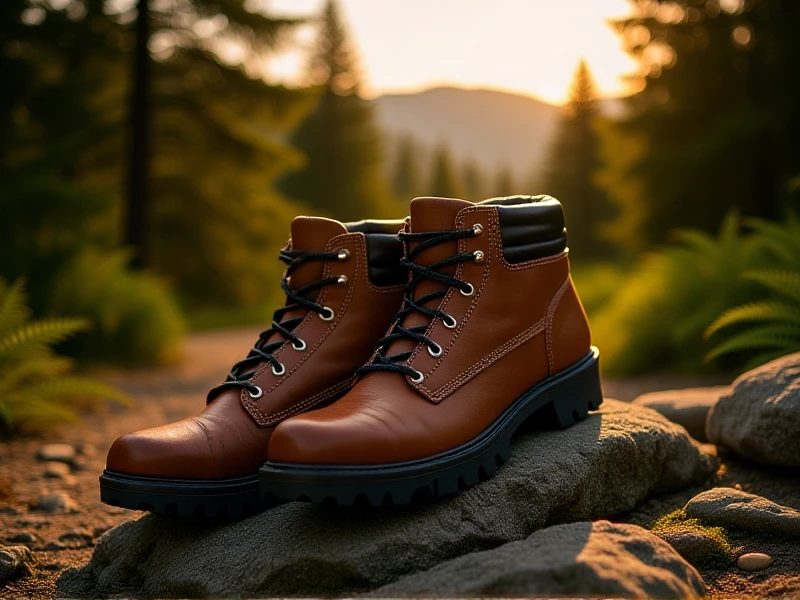
The Ultimate Guide to Choosing Trekking Shoes: Traction, Support & Comfort
Ready for an unforgettable adventure? Whether you're tackling rugged mountain paths, exploring coastal trails, or venturing into the rainforest, one piece of gear is non-negotiable: your trekking shoes. Choosing the right pair isn't just about comfort; it significantly impacts your safety, endurance, and overall enjoyment on the trail. Forget about basic sneakers when stepping onto uneven terrain; dedicated trekking shoes are designed specifically to handle the demands of the outdoors.
The foundation of any great hiking shoe lies beneath your feet: the outsole. Look for aggressive, multi-directional lugs crafted from durable rubber compounds like Vibram®. These provide the essential traction needed to grip slippery rocks, muddy slopes, and loose gravel, preventing slips. Complementing the outsole is crucial midsole cushioning, typically made from EVA or Polyurethane foam, which absorbs shock from uneven ground and rocky trails, reducing fatigue on long days. Don't underestimate arch support either – even for moderate hikes, proper support prevents foot strain and promotes efficient walking biomechanics.
Above this foundation sits the upper. For most trekking shoes, durable synthetic materials like nylon or abrasion-resistant mesh offer a great balance of breathability, water resistance (especially when treated or paired with a membrane like GORE-TEX® for wet conditions), and fast drying times compared to leather, which is heavier but offers unparalleled durability. A supportive heel counter stabilizes your foot, preventing unwanted rolling and blisters, particularly important when carrying a loaded backpack.
Fit is paramount. Visit a reputable outdoor store late in the day when feet are slightly swollen. Wear the socks you intend to hike in. Ensure enough room in the toe box to wiggle your toes comfortably without your feet sliding forward steep descents. Heel lift should be minimal. Remember to try them on with custom insoles if you use them. Weight matters too; lighter trekking shoes boost agility on fast hikes, while sturdier boots offer maximum ankle support and protection for challenging treks or heavy loads.
Finally, consider the terrain. Are you navigating boulder fields requiring ankle support, or sticking to well-maintained paths? Pack weight significantly influences the necessary support level. Investing in purpose-built trekking shoes tailored to your specific adventure is investing in happier feet and safer, more rewarding journeys. Lace up the perfect pair and conquer your trail with confidence! Where will your next steps take you?