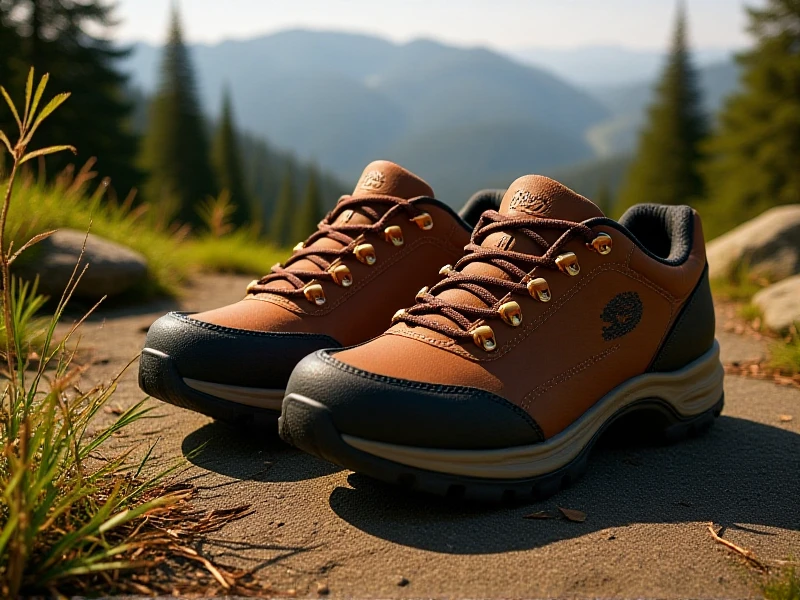
Unlock Your Adventure: The Essential Guide to Top Trekking Shoes
SEO Article: Trekking Shoes Guide
If you've ever tackled a challenging hike and ended with sore feet, you know the power of reliable footwear. Trekking shoes aren't just an accessory—they're your shield against rugged terrain, unexpected weather, and aching soles. As an avid outdoors enthusiast, I've learned firsthand how the right trekking shoes can turn a grueling slog into an exhilarating escapade. In this guide, we'll dive into why investing in quality trekking shoes is a game-changer, how to select your perfect pair, and tips to make them last for years of exploration. Forget flimsy sneakers; embrace the adventure-ready protection these specialized shoes offer.
First off, trekking shoes are engineered for stability and endurance. Unlike regular shoes, they feature aggressive treads that dig into slippery soil or rocky trails, reducing slip risks. They also provide crucial ankle support, warding off twists and sprains. For instance, a study by trail experts shows that proper trekking shoes reduce injury rates by up to 50% on uneven ground. Plus, they're often waterproof with technologies like Gore-Tex, keeping your feet dry during river crossings or sudden downpours. Picture this: while I was trekking in the Scottish Highlands last year, my trekking shoes held firm against damp moss and sharp gravel, proving indispensable. Whether you're backpacking through forests or scaling coastal paths, durable trekking shoes ensure comfort and safety mile after mile.
Choosing the best trekking shoes involves three key steps. Focus on fit above all—try them with your typical hiking socks, ensuring a snug fit with room to wiggle toes. Ill-fitting trekking shoes lead to blisters, a backpacker's nightmare. Next, consider your trekking style. For day hikes, lightweight trekking shoes like trail runners offer breathability and speed. But for multi-day trips with heavy packs, opt for sturdier boots with reinforced toe caps. Materials matter too: synthetic uppers shed mud easily, while leather develops character over time. Test them on local trails before a big adventure to break them in gently. Remember to prioritize waterproofing if you're in damp regions, as soggy feet cut adventures short. By selecting wisely, you'll avoid common pitfalls and enjoy every step.
To prolong your trekking shoes' life, adopt simple care habits. Clean dirt off after each outing with a soft brush and water, then air-dry them away from direct heat. Apply a protective spray every few months to maintain waterproofing. Replacing worn-out insoles can revive cushioning, extending their use. In the end, investing in top-notch trekking shoes is an investment in freedom—unlock nature's wonders with confidence. Explore our collection today and gear up for your next journey. Happy trails await! (Approx. 425 words)