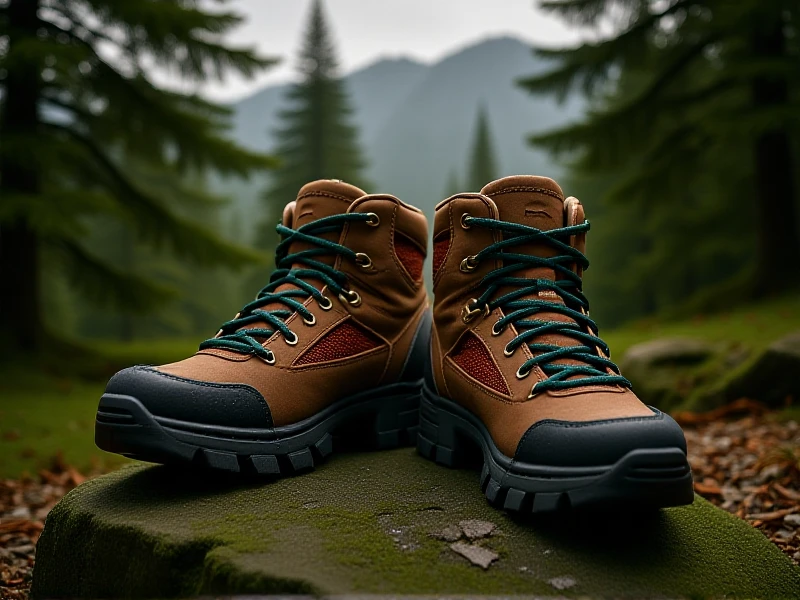
Discover Your Perfect Trekking Shoes: Conquer Any Trail in Comfort & Confidence
Finding the right trekking shoes is paramount for unlocking unforgettable outdoor experiences. Forget sore feet and blisters – the right footwear translates miles of rugged terrain into pure adventure. But with countless options flooding the market, choosing the best trekking shoes can feel overwhelming. This guide cuts through the noise, highlighting essential features to consider for your next hike.
Why Dedicated Trekking Shoes Matter
Your old running shoes simply won't cut it on demanding trails. Proper trekking shoes provide vital advantages:
- Superior Traction & Grip: Aggressive lugs and specialized rubber compounds bite into loose dirt, slippery rocks, and steep inclines, preventing slips and falls.
- Essential Ankle Support: Especially crucial on uneven ground or carrying a pack, good trekking shoes offer structured support around the ankle to reduce strain and injury risk. Consider mid-cut options if ankle support is a priority.
- Rugged Durability: Built to withstand abrasion from rocks, roots, and trail debris. Tough uppers (synthetic mesh, leather, or nubuck) and reinforced toe caps protect your feet.
- Enhanced Stability: A supportive midsole and often a firmer torsional shank provide a stable platform, making you feel secure on off-camber sections.
- Weather Protection: Opt for waterproof trekking shoes (featuring membranes like Gore-Tex) if hiking in wet conditions or crossing streams. Breathable, non-waterproof options are excellent for drier climates and warmer weather to prevent overheating and sweaty feet.
Key Features to Evaluate
- Fit is Non-Negotiable: Always try on trekking shoes in the afternoon when feet are slightly swollen, wearing the hiking socks you intend to use. Ensure sufficient space for toes to wiggle and no heel slippage.
- Sole Stiffness (Support vs. Flexibility): Stiffer soles offer stability and protection on rocky paths for longer hikes or heavier loads. More flexible soles prioritize comfort and ground feel on easier, well-maintained trails.
- Cushioning Level: Balance comfort for long miles with ground control underfoot. Moderate cushioning is versatile for most moderate multi-day treks. Ultralight hikers might prefer less cushioning, minimizing weight and maximizing agility.
- Weight: Lightweight vs. Rugged: Lighter trekking shoes enhance agility and reduce fatigue on fast hikes. Heavier boots often provide maximum durability and protection for highly technical terrain or heavy backpacking.
- Drainage & Breathability: Non-waterproof versions excel in hot, dry weather. Waterproof models are essential for persistent moisture but require adequate breathability to manage sweat.
Investing in Your Adventure
Don't compromise your hike to uncomfortable or insufficient footwear. Ill-fitting or inappropriate hiking shoes can quickly turn awe-inspiring trails into painful slogs. Carefully assess your typical terrain, trek duration, weather conditions, and personal needs for support. Visit a reputable outdoor retailer for expert fitting advice specific to your feet.
By prioritizing the right blend of traction, support, durability, weather protection, and—most importantly—a perfect fit, you'll select trekking shoes that keep you comfortable, confident, and focused on the stunning beauty around you—mile after memorable mile. Your next adventure awaits, step into it prepared!