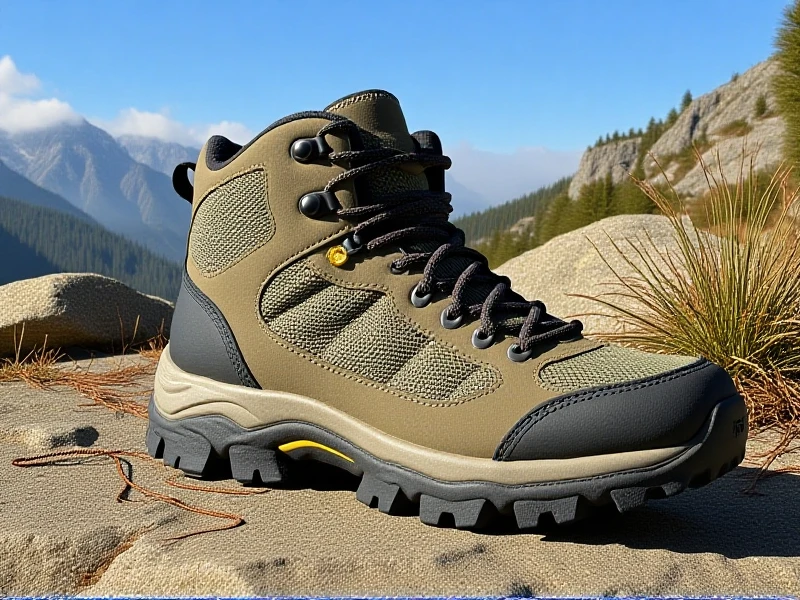
The Ultimate Trekking Shoes Guide: Comfort and Support for Every Trail
Choosing the right trekking shoes is fundamental to enjoying your outdoor adventures. They are the foundation connecting you to the terrain, providing crucial support, protection, and comfort during long hikes over varied landscapes. Ill-fitting or inadequate footwear is a primary cause of discomfort, blisters, and even injuries, turning a promising trek into an ordeal. Investing in quality trekking shoes should be your top priority.
Why Proper Trekking Shoes Matter Your feet and ankles endure significant stress on uneven trails. High-quality trekking shoes offer essential ankle support to prevent sprains, especially with heavy backpacks. Their stiff, protective soles shield your feet from sharp rocks and roots, while thicker cushioning absorbs impact, reducing fatigue on long descents. Furthermore, the deep, multi-directional tread found on dedicated trekking soles provides unparalleled grip on slippery surfaces like wet rocks, mud, or loose gravel, significantly improving safety.
Key Features to Look For
- Durability & Protection: Look for robust materials like leather or high-denier abrasion-resistant synthetics. A stiff, lugged rubber outsole with a protective rock plate is essential for rocky trails.
- Support & Cushioning: Mid-height designs generally offer superior ankle support compared to low-cut trail runners. Effective midsole cushioning (like EVA or PU) absorbs shock, while adequate torsional stability prevents twisting fatigue.
- Waterproofing & Breathability: Membranes like Gore-Tex or proprietary alternatives keep feet dry in wet conditions without sacrificing too much breathability. Non-waterproof models offer maximum ventilation in hot, dry climates.
- Fit & Comfort: Fit is paramount. Always try trekking shoes on later in the day when feet are slightly swollen, wearing the socks you plan to hike in. Ensure ample room in the toe box to prevent blisters, especially on long descents. A secure, non-slip heel hold is crucial. Break them in thoroughly before tackling major treks.
Choosing the Right Trekking Shoe Type
- Hiking Shoes (Low-Cut): Best for day hikes on well-maintained trails with lighter loads. Offer less ankle support but more flexibility.
- Hiking Boots (Mid-Cut): The most versatile choice for trekking shoes, providing excellent ankle support, protection, and stability for varied terrain and multi-day trips with moderate backpack weight.
- Backpacking Boots (High-Cut): Maximum support and durability for off-trail navigation, very rough terrain, and carrying heavy expedition loads. Can be heavier and stiffer.
Care and Maintenance Clean dirt off your trekking shoes after each use. Allow them to dry thoroughly away from direct heat sources. Periodically treat leather or nubuck with appropriate conditioners. Re-waterproof breathable membranes using recommended spray-on or wash-in treatments to maintain water repellency.
Choosing the perfect pair of trekking shoes boils down to your typical terrain, load weight, climate, and personal fit preference. Don't compromise – visit a specialist outdoor store, try on multiple models, and seek expert advice. Your feet (and your next adventure) will thank you.