Hiking Shoes: Choosing the Perfect Pair - The Hikers Guide
****
Finding the right hiking shoes isn't just about style; it's essential for comfort, safety, and enjoying every mile. Whether tackling a local nature trail or preparing for a mountain summit, the perfect pair provides the foundation for adventure. Confused about trail shoes versus hiking boots? You're not alone! Let’s break down the key factors to consider.
The most crucial decision is choosing between trail shoes, hiking shoes, and hiking boots. Trail shoes are lightweight and flexible, ideal for fastpacking or well-maintained paths. Mid-cut hiking shoes offer more ankle support and stability for carrying moderate loads or navigating uneven ground. Robust hiking boots deliver maximum ankle support, stability, and protection on challenging, multi-day treks with heavy packs. Match the type to your typical terrain and trip duration.
Support and stability are paramount. Look for hiking shoes featuring solid heel counters and effective midsoles – often made from EVA or polyurethane. This minimizes foot fatigue and prevents rolling ankles on rocky outcrops or slippery roots. A secure lacing system is vital too, ensuring your heel stays locked down during steep descents.
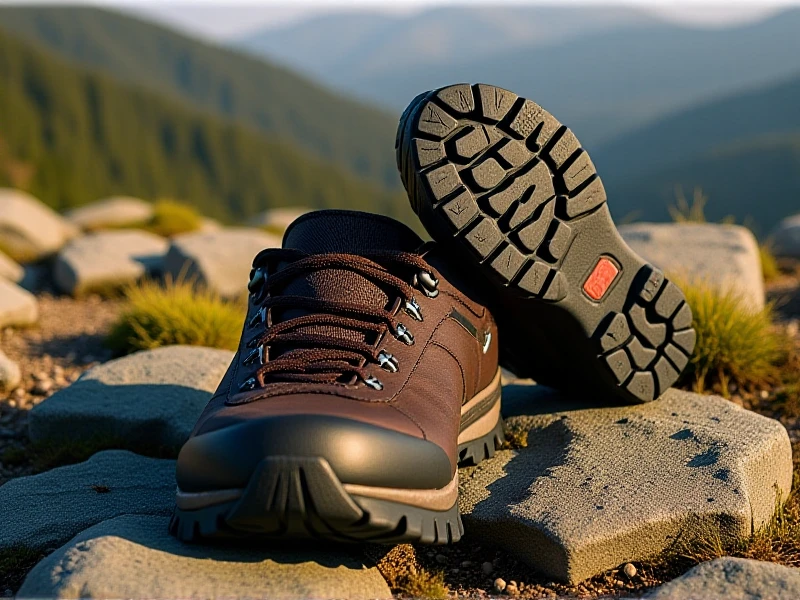
Without adequate grip, the most beautiful trail can become treacherous. Aggressive lugs on hiking shoes dig deep into mud, loose dirt, and gravel. For versatile performance, Vibram® outsoles are a gold standard renowned for their reliable traction on varied surfaces. Stability features like firm shanks or rock plates underfoot shield your feet from sharp rocks.
Weatherproofing is non-negotiable for comfort. Most dedicated hiking shoes and boots utilize membranes like GORE-TEX®. This breathable technology keeps feet dry during creek crossings and unexpected downpours without trapping sweat inside the shoe. Combine this with durable leather or ripstop nylon uppers that withstand abrasion and shield against debris.
Never underestimate fit! Always try hiking footwear on with your intended hiking socks. Ensure plenty of toe room to prevent blisters downhill. Walk aggressively on an incline to test for heel slippage. A slight arch support is beneficial for long distances, preventing common aches. Remember, hiking shoes need appropriate break-in time before a major trek.
Proper care extends your boots' life immensely. Remove dirt immediately post-hike and allow them to air dry naturally – avoid direct heat. Regularly apply waterproofing treatments specifically designed for the boot's material to maintain its weather resistance. Inspect the tread and seams routinely; worn tread or separating seams signal replacement time.
Choosing the ideal hiking shoes is an investment in unforgettable exploration. By prioritizing support, grip, weather protection, and most crucially, a perfect fit matched to your trails, you equip yourself to conquer paths confidently and comfortably. Your next adventure demands the right footwear – step forward prepared.