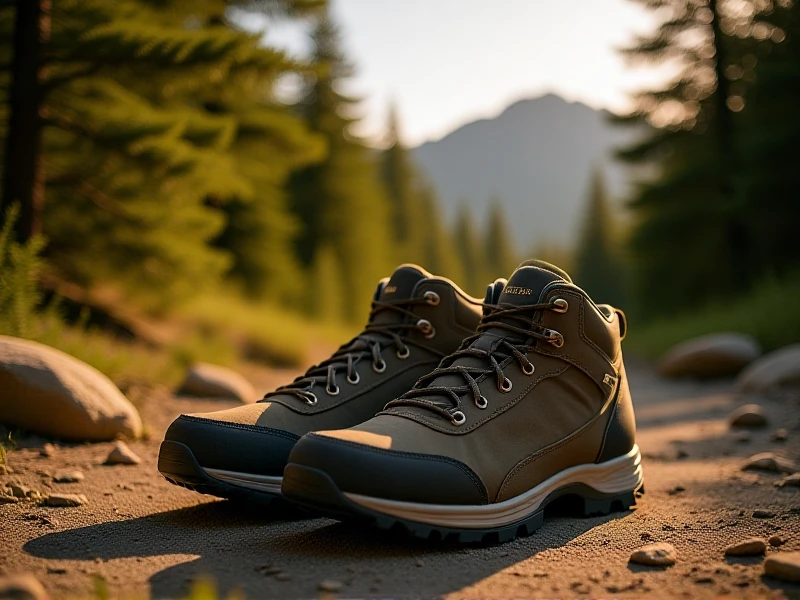
Unlock Your Next Adventure: 5 Must-Have Features in Top Trekking Shoes
Planning your next big hike? The difference between an exhilarating summit photo and an epic story about blisters often boils down to one crucial piece of gear: your trekking shoes. Choosing truly supportive, durable footwear isn't about fashion; it's about safety, comfort, and conquering those miles with confidence.
So, what separates great trekking shoes from the merely average? Look beyond the surface and prioritize these five essential features:
- Relentless Grip & Traction: Trails are unpredictable. Seek out rugged outsoles, often made by specialists like Vibram or Continental, featuring aggressive, multi-directional lugs and climbing zones at the toe. This digs into loose dirt, wet rocks, and muddy slopes. Deep flex grooves give natural movement, but avoid overly chunky tread that traps debris.
- Waterproof & Breathable Protection: Sudden downpours or morning dew shouldn't derail your hike. Look for reliable waterproof membranes like GORE-TEX Performance or eVent. Crucially, equally important is superior breathability! Mesh panels and moisture-wicking linings prevent overheating and sweaty feet, minimizing blister risks. A gusseted tongue also blocks water and debris entry.
- Ankle Support & Stability: Uneven terrain demands stable footing. A well-structured trekking shoe offers firm yet flexible midsole support (materials like EVA/PU) and often a defined chassis. Higher collar versions provide crucial ankle support against rolls on technical trails, while lower cuts offer flexibility on established paths. Choose based on your trail intensity.
- Durable, Protective Construction: Scree, rocks, and roots are tough on footwear. Prioritize shoes with abrasion-resistant toe bumpers and rubber wraps around the lower base to shield against impacts. Reinforced stitching and sturdy uppers (synthetic leather blends, mesh overlays) ensure longevity through repeated scrapes and abrasion.
- Compassionate Cushioning & Fit: Support doesn't mean stiffness! Your trekking shoes need responsive cushioning to absorb shock hour after hour, especially during descents. Don't compromise on fit! Get fitted properly at day's end when feet swell. You should have ample toe room (about a thumb's width), no heel slip, and a secure midfoot hold without pressure points. Quality insoles enhance comfort significantly.
The Ultimate Foundation
Your trekking shoes are your foundation on the trail. Investing in a pair excelling in these key areas ensures you tackle climbs with grit, cross streams without worry, and finish every adventure wanting more, not nursing sore feet. Prioritize durability, protection, grip, comfort, and the right support level for your chosen terrain. Finding trekking shoes that master these fundamentals unlocks miles of exploration underfoot. How do your current shoes stack up against these essentials?