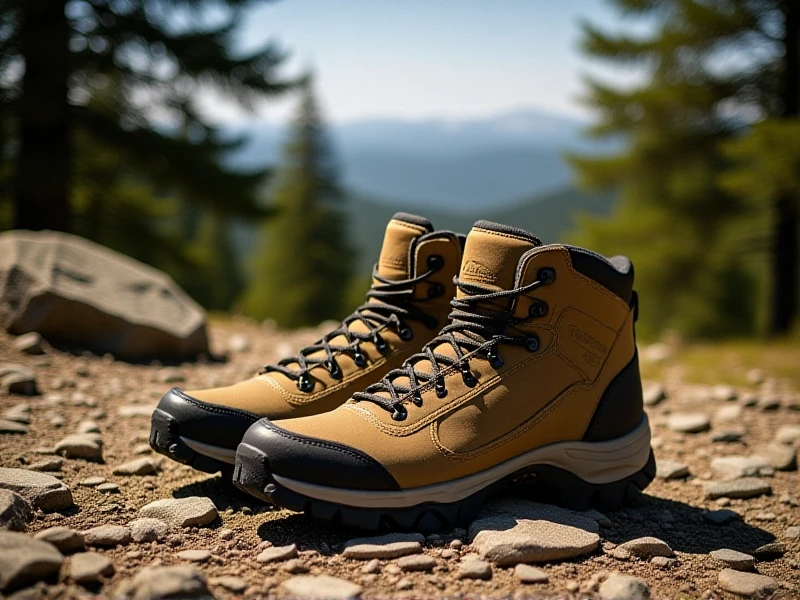
Hiking Shoe Essentials: Your Ultimate Guide to Footwear for the Trails
Choosing the right hiking shoes is critical for comfort, safety, and enjoyment on any outdoor adventure. With countless options available, understanding what makes a good hiking shoe ensures you conquer trails with confidence, not blisters. Your feet are your foundation, and investing in the proper footwear pays dividends in every mile.
Why the Right Shoe Matters
Hiking terrain is unpredictable – rocky paths, muddy patches, steep inclines, and slippery slopes require stable, protective footwear. Hiking shoes provide essential support for your ankles and arches, reducing fatigue and preventing injuries. They offer superior traction compared to regular sneakers, featuring specialized outsoles designed to grip uneven surfaces securely. Proper cushioning absorbs shock from constant pounding, while protective toe caps shield your feet from stumbles.
Key Features to Look For in Hiking Shoes
- Fit is Paramount: Always try hiking shoes on in the afternoon (feet swell) with the socks you intend to hike in. Aim for about a half-inch of space at the toe. There should be no heel slip or uncomfortable pressure points across the width. Walk around an incline simulator if available.
- Traction: Look for aggressively lugged, high-quality rubber outsoles (like Vibram or similar) designed explicitly for mixed terrain. Deep, multi-directional lugs provide better mud shedding and grip.
- Support & Stability: A firm midsole offers torsional rigidity, preventing excessive foot roll on uneven ground. Good arch support is vital for preventing plantar fasciitis on longer hikes. Consider mid-cut options for more ankle support on tricky trails.
- Protection:
- Upper: Durable materials like full-grain leather or abrasion-resistant synthetics offer longevity.
- Rock Plate: Many hiking shoes incorporate a thin, flexible plate between midsole and insole to protect your feet from sharp rocks and roots.
- Toe Cap: A reinforced bumper guards your toes from impacts.
- Waterproofing: Breathable membranes like Gore-Tex are excellent for wet conditions and creek crossings, keeping feet dry. However, they may feel warmer. For reliably dry trails or fast hiking, non-waterproof, highly breathable shoes often provide cooler comfort.
- Cushioning & Responsiveness: Consider the trade-off. Plush cushioning is comfy for long miles but can feel less stable on technical ground. Firmer cushioning offers better control and "trail feel" but absorbs less impact.
- Weight: Lightweight trail runners are agile for day hikes and fastpacking, while robust leather boots handle heavier loads and rough terrain better over multi-day treks.
Finding Your Perfect Pair
- Match the Shoe to the Hike: Casual day hikes? Focus on comfort and breathability. Rugged, multi-day trips with a heavy pack? Prioritize support, protection, and durability.
- Know Your Foot: High arch? Flat foot? Wide forefoot? Many brands offer different widths and specific support features.
- Try Before You Buy: Visit an outdoor specialty store. Getting expert advice and trying on multiple options makes a huge difference.
Caring for Your Investment
Extend the life of your hiking shoes by cleaning them after muddy outings (remove insoles, brush off dirt, air dry – never place near heat). Use appropriate conditioners for leather. Check tread wear periodically; diminished grip is a sign your shoes need replacing before they compromise safety on the trail.
Step onto the Trail Confidently
Don't let mediocre footwear hold you back. Investing time in finding the perfect pair of hiking shoes tailored to your feet and adventures transforms every outing from potentially painful to pure, unadulterated trail bliss. Get your perfect hiking shoes, lace up, and explore further! Visit reputable outdoor retailers or trusted online stores to discover your ideal match.